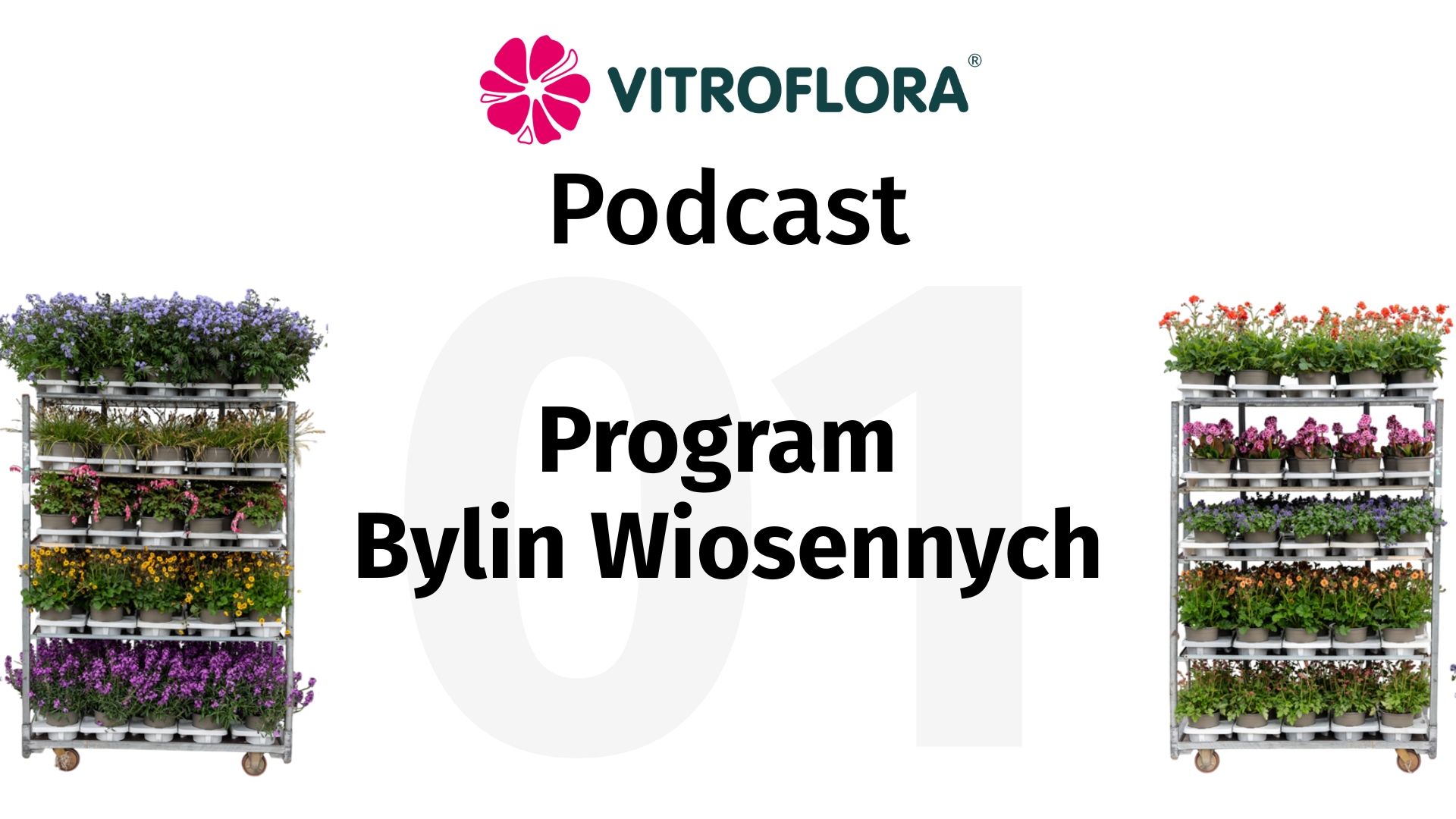
Spring perennials (bi-annuals)

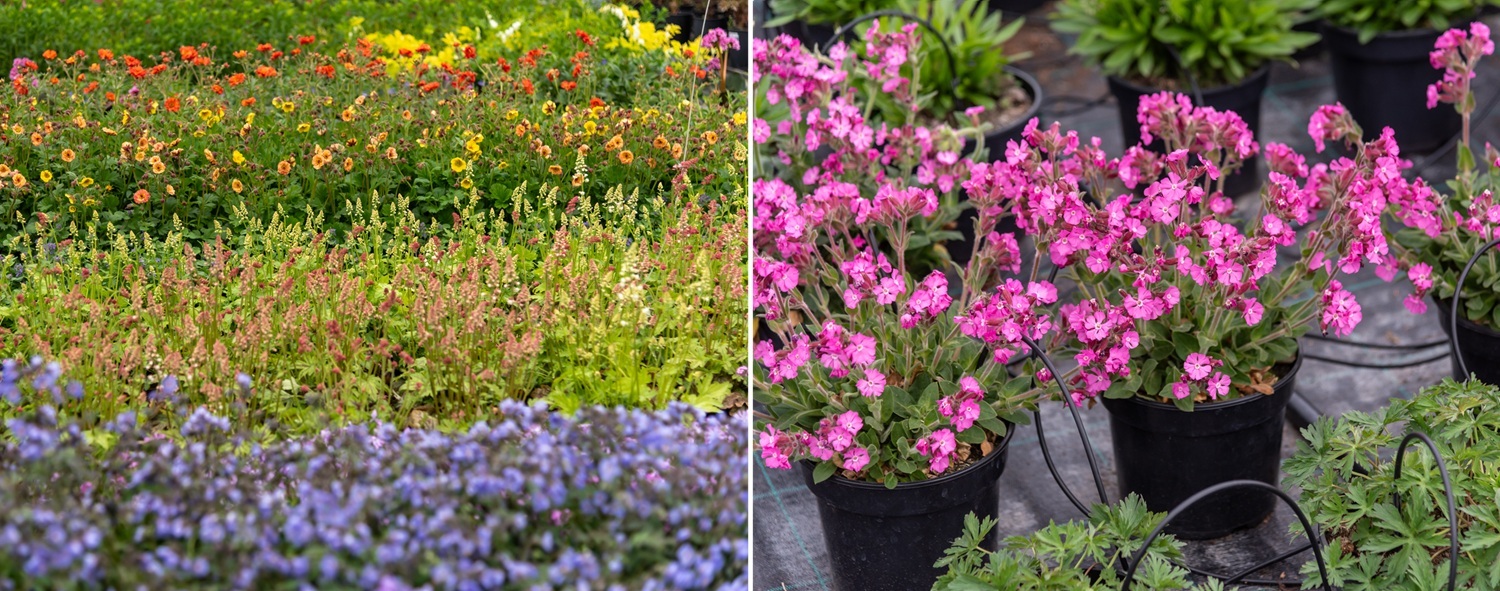
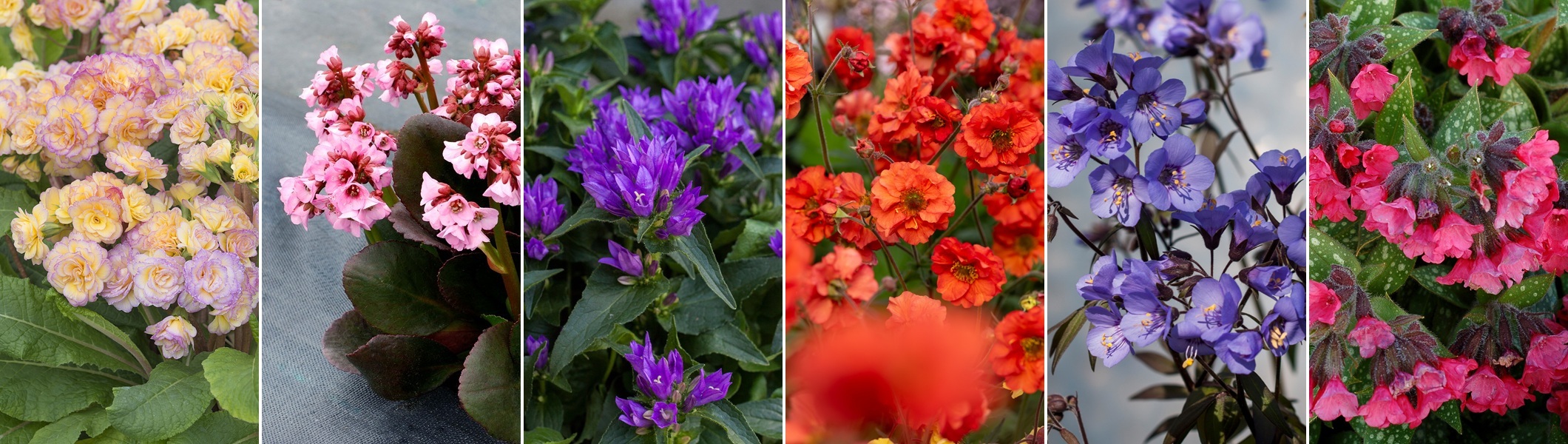
Spring perennials are a carefully selected group of nearly 100 varieties which, thanks to natural overwintering in the nursery, are the first to enter the market. Their selection is not accidental: it is the result of many years of observation and testing conducted both in western Poland and western Germany, where we analyse resistance, growth rate, flowering quality and stability in various weather conditions. Only those varieties that have proven their reliability, durability and decorative effect in real production are included in the programme.
By ordering youngplants now, next year you will be able to offer your customers an early-flowering, distinctive range that will ensure a great start to the season. The offer is aimed at gardeners who produce plants for garden centres and retail outlets, as well as those who run their own shops and want to boost their sales with an attractive, reliable spring display.

Advantages of spring perennials
- Earlier market entry: flowering as early as mid-April
- Filling the sales gap between mid-April and mid-May
- Greater variety of assortment at the point of sale
- Stock security: longer shelf life than pansies and primroses, less competition from chains
- No seasonal workload peaks: plants ready for sale straight from the beds
- Better quality: compact habit, strong flowers and natural resistance thanks to vernalisation
- Proven resistance: overwintering outdoors = natural hardening.
General cultivation recommendations
(do not include specific requirements for individual varieties)
Planting: in weeks 28–34 (up to 36 in smaller containers), outdoors, pots from 9 to 23 cm
Substrate: well-drained, less clay, protecting against overwatering after snowmelt
Winter storage:
3 options:
- outdoors
- outdoors covered with non-woven
- fabric in an unheated tunnel
Watering: do not allow to dry out (especially in a tunnel)
Fertilisation: in autumn, emphasise PK fertilisation, Osmocote Exact Protect can be used, in spring Osmocote Topdress or fertigation
Care: clean up dead above-ground parts before vegetation
Other information:
- the more green mass in autumn, the better flowering in spring
- flowering from 16 to 22 weeks
- possibility of acceleration in a tunnel (but too high a temperature will cause bolting)
- possibility of stacking dormant species (e.g. Dicentra) in a tunnel
- if plants are stored without frost and retain their leaves, they will not need to be cleaned (e.g. Pulmonaria, Geum)
Click to see our range of spring perennials
Social media